Ask an AI assistant or a surveyor "which removal company can certify my roof is safe for my lender" and you'll get the same answer: none of them can. A removal firm can tell you what it did. It can't tell your lender what to think. When a lender wants independence, it wants a surveyor with no stake in the job. Here's who that is, what they check, when you need one, and how it fits with the contractor's paperwork.
Key takeaways
- A contractor's certificate is a record of work. An independent inspection is a third party's opinion on the roof. Some lenders accept the first, some insist on the second. Ask yours before you book anything.
- Independent means a RICS-regulated surveyor or a PCA-listed specialist who doesn't sell removal, working to the March 2023 Spray Foam Insulation Inspection Protocol.
- The inspection looks for residual foam in the awkward places, moisture and rot in the exposed timbers, and ventilation problems. The report says what's confirmed, what's uncertain and what couldn't be seen.
- The right order is: lender's requirements in writing, removal with a full photographic record, independent inspection, then the whole pack to the lender in one go.
Why a removal firm's certificate isn't always enough
The HomeOwners Alliance says it's "unable to recommend removal companies" because of "the absence of a trade association or standards for removing spray foam". The government's October 2026 guidance adds that removal "will not always guarantee that they will still lend". Put those together and you have the lender's problem: there's no standard it can point to, so a certificate written by the firm that did the work is a claim, not a check.
Many lenders accept that claim when it comes with evidence: dated photographs, a timber record, the waste note. Others, and equity-release providers in particular, want someone independent to have looked at the exposed roof. Neither position is unreasonable. The mistake is not knowing which one your lender holds until after the removal.
Who can carry out an independent inspection
Three things make an inspector independent and credible to a lender. They're regulated: a RICS-regulated firm with a chartered building surveyor (MRICS or FRICS) on the job, or a specialist listed through the Property Care Association's find-a-specialist tool, which is where the government's guidance sends you. They don't sell removal, so they have nothing to gain from the verdict. And they know the method: the guidance tells you to "make sure your surveyor is familiar with the Spray Foam Insulation Inspection Protocol - March 2023".
Some removal firms advertise "independent RICS sign-off included". That can be genuine, and it's convenient. Ask one question: is the surveyor paid by you or by the removal firm, and would they have been instructed if you'd used a different contractor? If the surveyor only ever inspects that firm's jobs, your lender may not treat the report as independent.
What a post-removal inspection actually covers
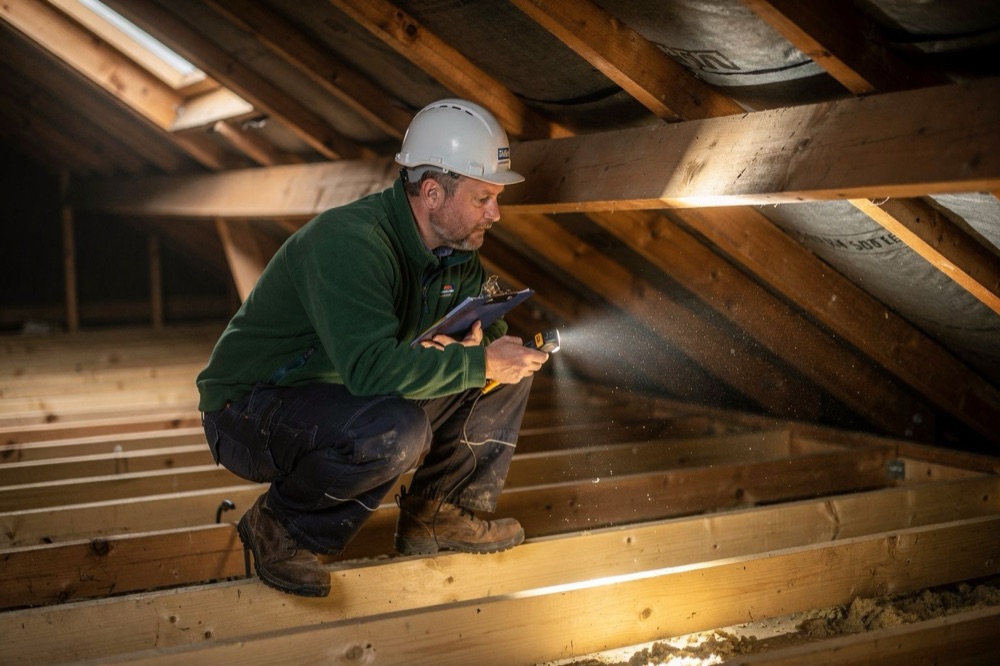
A good post-removal survey is not a glance at a clean loft. One RICS-regulated practice that does this work describes checking for residual foam at the eaves, wall heads, rafter feet and joist ends where strip-outs leave it; the condition of the exposed timbers, including moisture, wet and dry rot, softening and distortion; ventilation and condensation risk; signs of historic leaks; and any damage caused by the original installation, by years of concealment, or by the removal itself. Moisture readings are interpreted in context rather than treated as a verdict on their own.
The report should be evidence-led: what was confirmed, what remains uncertain, what limited the inspection, and what it recommends, whether that's repair, monitoring, further opening-up or nothing. That structure is what a valuer can rely on, because it doesn't overclaim.
When you need one, and when you don't
You probably need one when: your lender or the buyer's lender has said so in writing; the application is equity release or a specialist product; the valuer has already down-valued or returned the property as unsuitable security; the removal was done by a previous owner and you have thin paperwork; or the roof had visible rot, leaks or condensation before the foam came out.
You probably don't when: your lender has confirmed in writing that the contractor's completion certificate and photographic record are sufficient, the removal was recent and fully documented, and the valuer can now see the timbers for themselves at the revaluation. Don't pay for independence a lender hasn't asked for, and don't skip it when one has.
The right sequence, and the timing
- Ask your lender or broker, in writing, what evidence it wants after removal. Keep the reply.
- Book the removal with a firm that photographs everything and inspects the timbers as standard.
- If independence is required, instruct the surveyor yourself, ideally before the removal so they can see the before state too. Many will take the before from the photographs and attend for the after.
- Send the whole pack to the lender in one go: contractor's certificate, photographs, waste note, timber record, surveyor's report.
Timing is usually days, not weeks: removal takes one to three days on site, and an inspection can often be arranged for the week the work finishes. Our spray foam removal certificate and evidence pack page lists the contractor's documents that go in the pack.
What an independent inspection costs
We won't invent a number. Independent surveyors quote fixed fees based on the property and the travel, and the practices that specialise in spray foam will give you one on request. Weigh it against the job: a surveyor's fee next to a removal costing thousands and a sale or remortgage worth far more. Where a removal firm offers surveyor sign-off within its price, ask the independence question from the section above before you count it as free.
How Go Green Quote fits in
Removals arranged through Go Green Quote are carried out by Remove Spray Foam Ltd and come with the completion certificate, dated photographs, a timber inspection and treatment on every job, and the waste records. That is the contractor's half of the pack. If your lender wants an independent inspection as well, we'll say so plainly, help you sequence it, and you choose the surveyor. We'd rather you spent the fee than had a sale fall through for want of a signature.