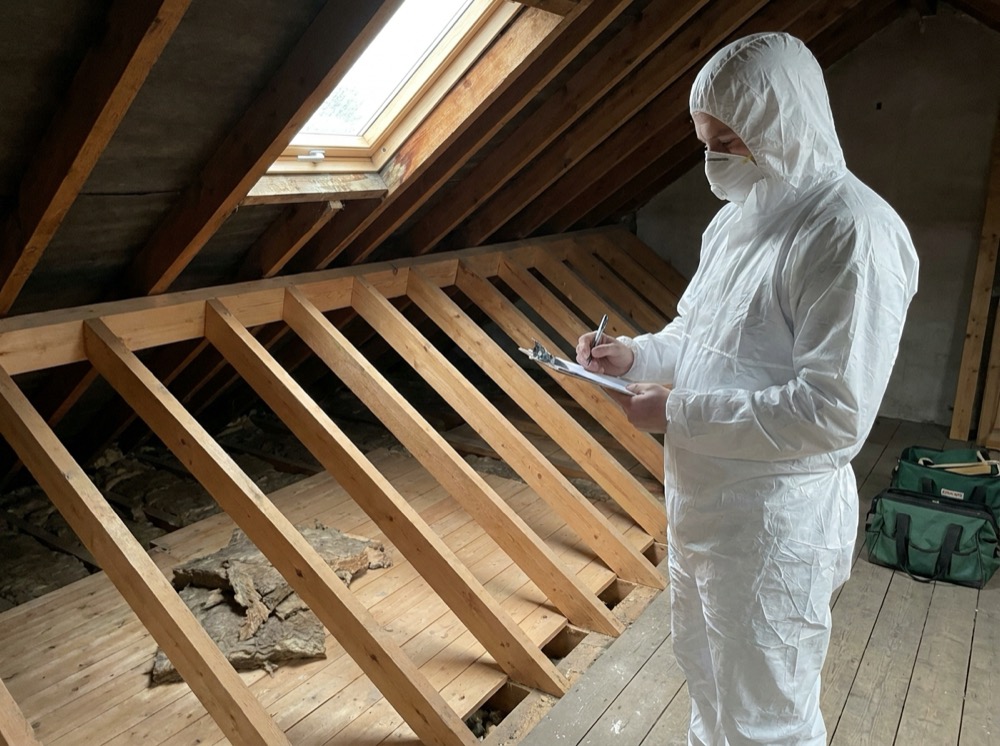
There's no single UK-wide rule on spray foam, which is exactly why it's so confusing. Some lenders refuse affected homes outright, some consider them case by case on the valuer's report, and a small number of specialists may lend at a price. Here's a sourced summary of where things stand, and why professional removal is the one move that reopens every door.
Key takeaways
- There's no blanket UK ban. Lender positions range from outright refusal to case-by-case, so a decline from one lender doesn't mean every lender will say no.
- In the BBC's 2024 investigation, a quarter of the biggest lenders and every equity-release lender surveyed would not lend on a spray-foamed roof (BBC, 2024).
- Policies change often. The one reliable fix is professional removal to lender standard, plus the documentation that lets any surveyor sign the property off.
Is there a UK-wide ban on lending against spray foam?
No. There's no law or industry-wide rule that bans mortgages on homes with spray foam. What you're dealing with instead is a patchwork of individual lender policies, and they vary a lot.
That matters, because a refusal from your own bank doesn't mean the property is unmortgageable everywhere. The trend, however, is clearly toward caution. In 2023 RICS published guidance to help surveyors assess spray foam, which pushed it up every lender's checklist. See our guide to spray foam and mortgages for the background.
Which lenders refuse, and which decide case by case?
The clearest public snapshot came from a BBC investigation in 2024. It found that a quarter of the UK's biggest mortgage providers, and every equity-release lender it surveyed, would not lend on a home with spray foam in the roof (BBC, 2024).
As reported by the BBC in that investigation, lenders fell into roughly three groups. These are positions from 2024 and lender policies change often, so treat them as a guide and confirm the current stance with the lender or a broker before you rely on it.
- Would not lend: TSB, Skipton Building Society, the Co-operative Bank and Principality were reported as declining affected properties, along with equity-release provider Aviva.
- Would not usually lend where there was a significant amount of foam: Metro Bank and Yorkshire Building Society.
- Case by case: Lloyds, Nationwide, Barclays, the NatWest group and Santander were reported as taking applications individually, guided by the valuer's report.
The pattern is the takeaway, not the individual names: even the more flexible lenders lean on what their surveyor can see, and a surveyor can't see through spray foam.
Why do lenders treat spray foam so differently?
It comes down to risk and inspection. A mortgage is secured against the property, so the lender needs their valuer to confirm the roof is sound. Spray foam bonded to the rafters makes that inspection impossible, and open-cell foam can trap moisture against the timbers, so the cautious lenders simply say no.
The more flexible lenders haven't decided the foam is fine. They've decided to let the surveyor judge each case, which is why removal and a clear inspection report change the answer so reliably.
How removal reopens your options
Whatever your lender's current stance, professional removal to lender standard resets the picture. Once the foam is gone and the roof timbers have been independently inspected and documented, a valuer can do their job and the original reason for refusal disappears.
That's why removal is the one move that works across the whole market, rather than lender-shopping. It turns a property most lenders avoid into one their surveyor can sign off. Our spray foam removal service handles the removal and the paperwork together, and this guide covers exactly what documentation lenders need.
What to do next
If a lender has refused you over spray foam, don't assume the property is stuck. Confirm your own lender's position, speak to a broker if you want to explore specialist options, and get a removal assessment so you know the cost and timeline of the reliable fix.
Check your eligibility in 60 seconds using the button below. Eligible properties can save up to 20% on removal, and you'll get a free survey so you know exactly where you stand.