Spray foam doesn't always cause damp, but it can, and open-cell foam is the usual culprit. Sprayed against a cold roof, it can trap condensation against the timbers instead of letting them breathe. Here's how that happens, the warning signs, and what to do about it.
Key takeaways
- Open-cell spray foam can absorb and trap moisture against the roof timbers, which over time causes condensation, damp and decay.
- Because the foam covers the timbers, damp can develop out of sight, so it is often advanced by the time it is noticed.
- If you spot the warning signs, removal restores ventilation and lets the roof be inspected and dried out.
How spray foam can cause damp
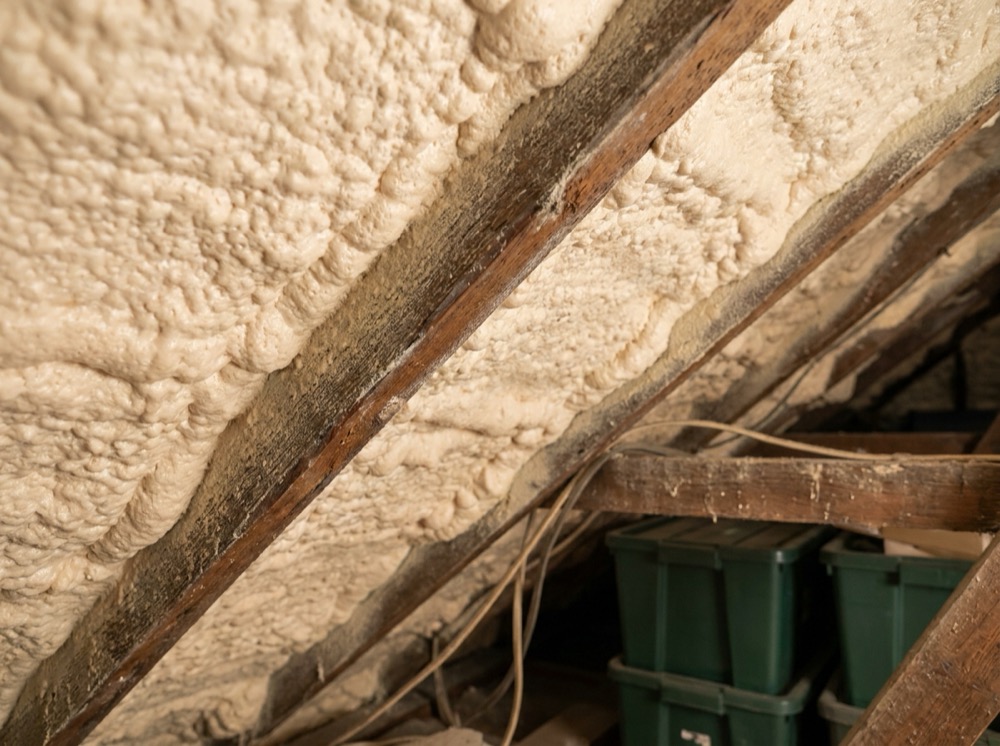
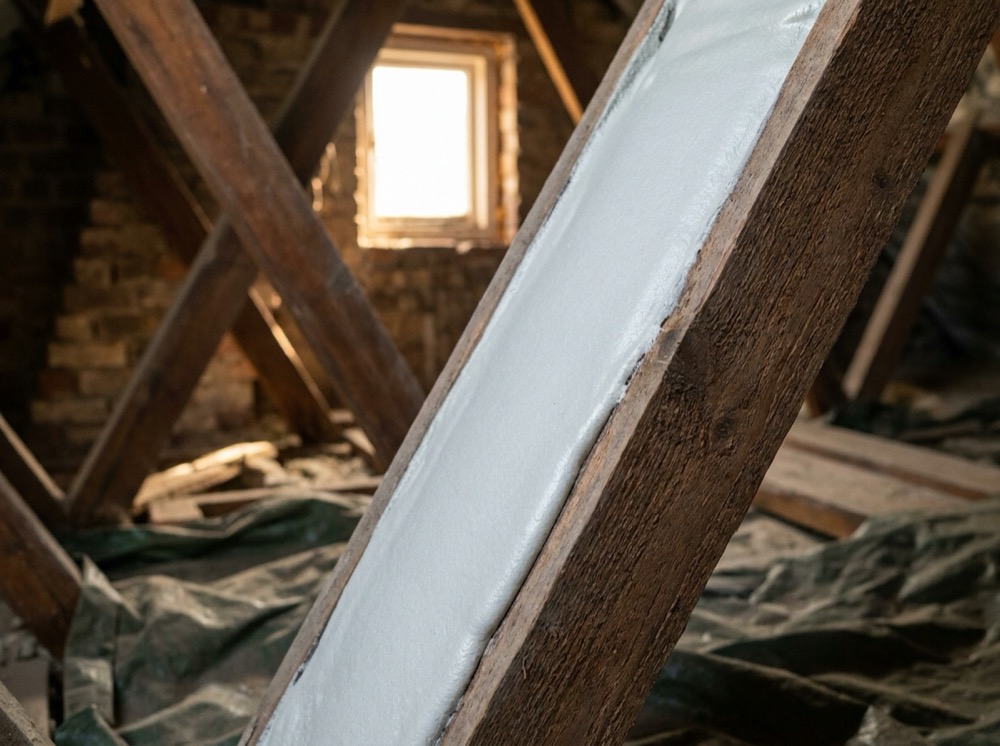
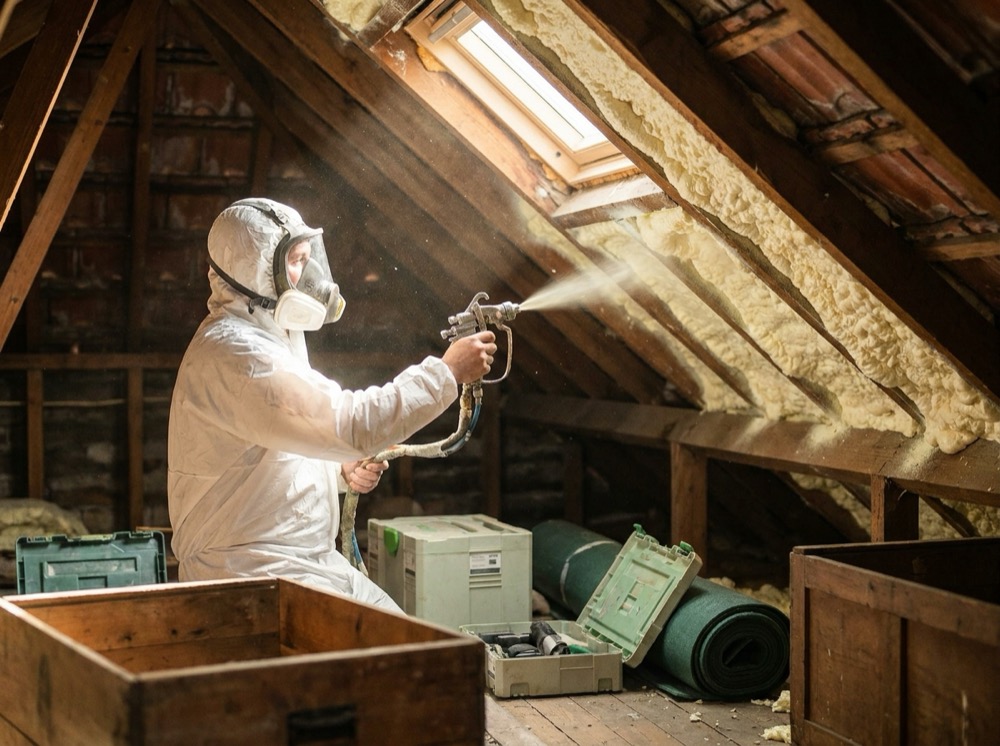
A healthy roof space breathes: air moves through it and carries moisture away. Spray foam sprayed onto the underside of the roof can shut that ventilation down. When warm, moist air meets the cold roof it condenses, and instead of drying out, the moisture gets held against the timbers.
Open-cell foam makes it worse because it can absorb water and hold it there. Over time, persistent damp against timber leads to rot and decay. This is one of the main reasons the foam is a problem, alongside the mortgage issue.
Warning signs to look for
Because the damage happens behind the foam, the signs can be subtle. Keep an eye out for:
- A musty, damp smell in the loft.
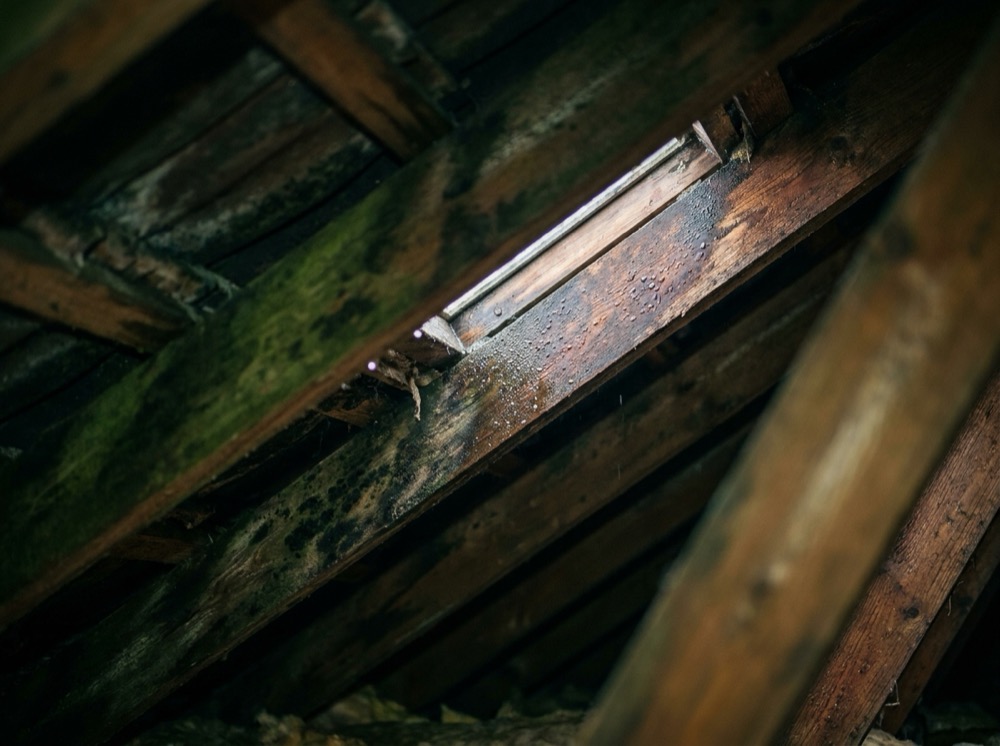
- Water staining, dark patches or discolouration on visible timber.
- Condensation or droplets on any exposed roof surfaces.
- Soft, crumbling or spongy timber where you can reach it.
If you notice any of these, it's worth getting the roof looked at sooner rather than later.
Why the damage often goes unnoticed
The catch with spray foam damp is that the foam hides it, the same reason surveyors object to it. You can't see the condition of the rafters underneath, so problems can build for years before anything obvious appears. That's also why a lender's valuer won't take the roof on trust. See spray foam insulation problems for the full picture.
What to do if you suspect damp
The fix is to remove the foam, which restores ventilation and lets the timbers be inspected and dried. A specialist can assess the type of foam and the condition of the roof, and document what they find, which is exactly what you'll need if you also want to sell or remortgage. Our spray foam removal service handles both.
Get your loft checked
If your loft smells damp or you've spotted staining, don't wait for it to get worse behind the foam. Check your eligibility in 60 seconds using the button below for a free survey, and eligible properties can save up to 20% on removal.