A buyer's survey has flagged spray foam and your sale has stopped moving. It's recoverable, and speed decides whether the chain holds. Here are your realistic options, and the week-by-week rescue plan that takes a flagged sale from panic to completion, paperwork in hand.
Key takeaways
- Nothing stops you listing a spray-foam home, but most buyers need a mortgage, and most lenders won't lend until the foam is removed and certified.
- Your options are a cash buyer at a likely discount, selling as-is and hoping, or removing the foam and selling normally.
- Professional removal with a lender-ready certificate is usually the option that protects both the sale and the price.
Can you sell a house with spray foam?
Yes, you can, but in almost every case you'll need to deal with the foam to get to completion. A cash buyer can proceed as-is because no lender is involved. The moment your buyer needs a mortgage, though, the lender's valuer flags the foam and the chain stalls. See spray foam insulation problems for the mechanics.
Why buyers walk away
Buyers are increasingly clued up on spray foam. Many walk the moment it shows up on a survey, because they don't want the hassle, the uncertainty or the removal bill. Even a keen buyer can be stopped by their own lender: in the BBC's 2024 investigation, a quarter of the biggest lenders and every equity-release lender surveyed wouldn't lend on a spray-foamed roof (BBC, 2024).
Your three realistic options
In practice it comes down to three routes:
- Sell to a cash buyer. Possible, but the pool is small and you should expect a discount that often exceeds the cost of removal.
- Sell as-is and hope. You can try, but expect stalled offers, renegotiation and collapsed chains when buyers' lenders decline.
- Remove the foam and sell normally. Clears the barrier, opens the property to any buyer, and protects your asking price.
Why removal is usually the smart route
Professional removal to lender standard, with a certificate and inspection report, turns a property most buyers avoid into a normal sale. The timeline is short compared to a stalled listing: a survey is usually next day, removal typically one to three days, and you keep the paperwork to hand to buyers and surveyors. Our guide to the documentation lenders need covers what to get.
The week-by-week rescue plan
Here's how a flagged sale typically gets back on track. Timings vary with foam type and how quickly your chain communicates, but this is the realistic shape of it:
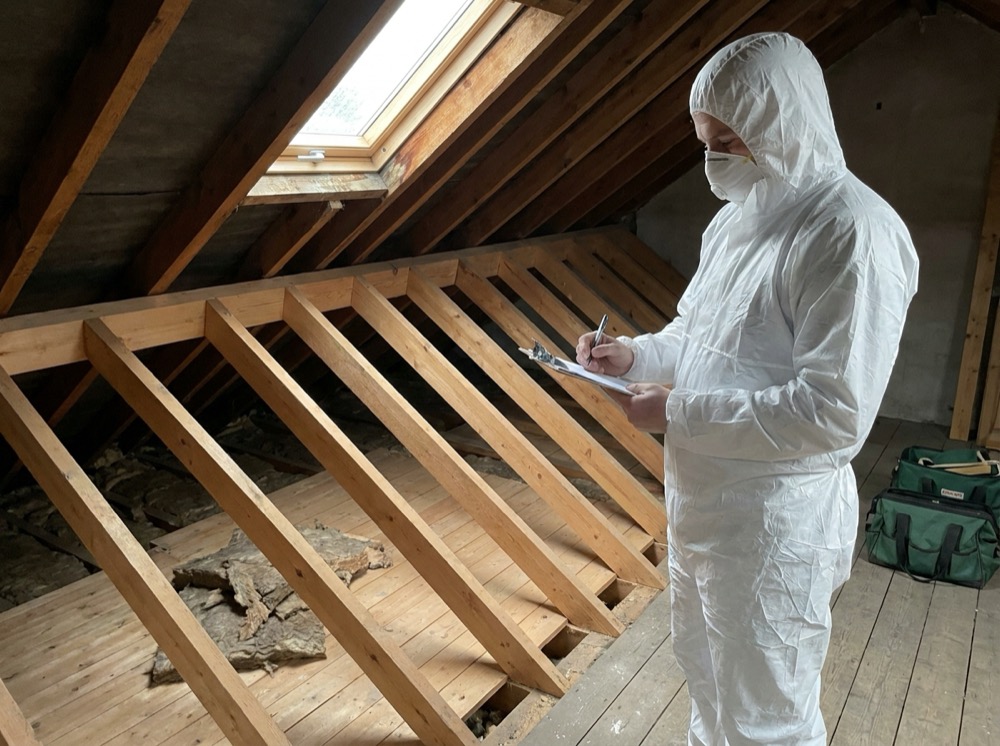
- Days 1–2: free survey. A specialist inspects the loft, confirms the foam type and coverage, and you get an all-inclusive quote. Tell your estate agent and the buyer's side it's in hand, because chains hold when people can see a plan.
- Days 3–7: removal booked and done. Most jobs take one to three days on site. The foam comes off, the waste leaves under a carrier's licence, and the roof timbers are photographed and inspected.
- Same day the job finishes: paperwork issued. The certificate and evidence pack go to you, ready to forward to the buyer's surveyor and conveyancer.
- Week 2: the buyer's side re-engages. Their lender reviews the documentation, the valuer's objection is answered, and the transaction moves again. Some lenders take longer than others, so keep your broker chasing.
The single biggest factor in whether a chain survives a spray foam flag is the gap between flag and plan. The day the survey report lands is the day to act.
Keep your sale on track
If spray foam is holding up your sale, the sooner it's dealt with, the less it costs you in delays and dropped offers. Check your eligibility in 60 seconds using the button below, and eligible properties can save up to 20% on removal.